Help! I just adopted a dog. Where do I start?
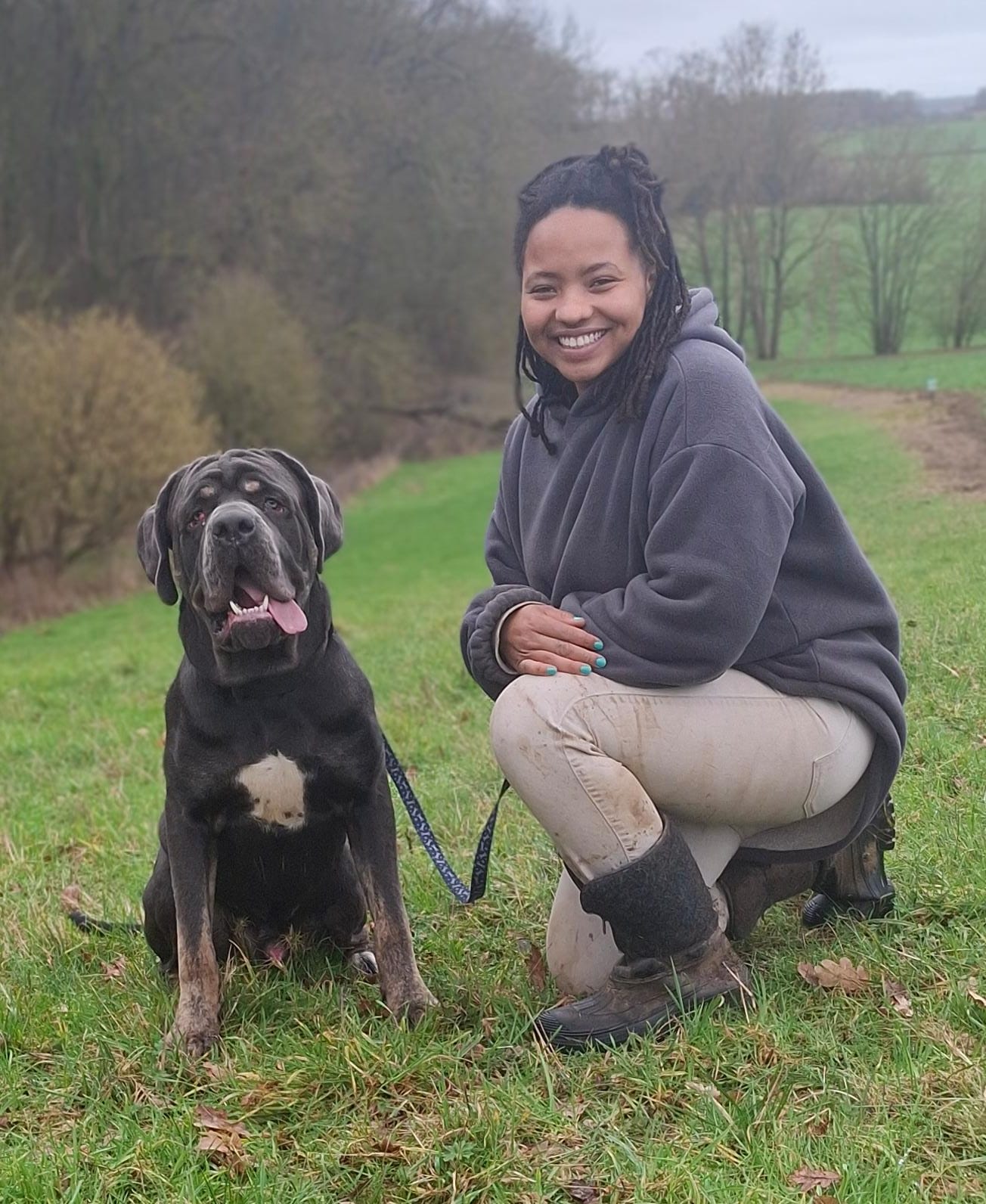
Everyone talks about training, commands and obedience. Nobody really talks about the beginning. This is where me and Mwaki started.
- 1Go slow before you even go inside
- 2Freedom without control fuels anxiety
- 3Watch first: can they settle without input?
- 4Every walk has intention: pressure means check back in
- 5Go to sessions to learn about your dog, not to “socialise”
- 6Structure is what makes a dog feel safe
I expected stress. He surprised me.
A new environment, a new person, a new routine. I was preparing for full-on overwhelm. Here’s how day one actually went.
30 minutes in the boot, just taking it all in
His crate didn’t fit, so he came home in the boot. I was preparing for full-on overwhelm. Instead, he just watched the world go by.
A slow 2-hour circuit of the area
No pressure. No expectations. Just letting him:
Paws in the bath
A simple bit of structure straight away: paws in the bath. That’s when I learned this guy loves water. Playing in it, chomping at it, completely relaxed.
Tethered while I set up his space
This part was hard for him, and it’s where I think most people struggle.
For his first week he was on lead and supervised, or tethered or crated. I didn’t give him input. I needed to see:
Walks with intention, from day one
Long line work and lead pressure, teaching him that pressure doesn’t mean panic. It means check back in.
A structured training session, to learn about him
Everything on lead, controlled and observed. I didn’t go to “socialise” him. I went to learn about him.
Calm, curious, engaged with me
Not a fan of people speaking to him directly
His first raw meal, hand-fed
Green tripe (which he loved), and we used it to build value in coming back into heel from different angles.
The crate
In he went, no hesitation. When the light went off he barked for about 5 minutes… and then slept right through the night.
It wasn’t about getting everything right
Already
- Building a relationship with a dog near home (fully supervised)
- Engaging with me more outdoors
- Starting to understand lead pressure
Still working on
- Cherry eye: introducing cooperative care (eye drops will be a journey)
- A few soggy poo days from the diet change, now settled
How you actually build a relationship
Rushing freedom and giving them everything on easy access
Watching, listening and learning what they need from you
This is just the beginning. I’m going to document everything: the good, the messy and the real.
Quick check
1. Your new dog gets jumpy and over the top the moment you give them attention after a rest. What might that tell you?
2. Why take a new dog to a structured session in week one?
Start your relationship the right way
The beginning matters more than any command. If you’d like help working out what your new dog needs from you, the Relationship Reset is my recommended first step.
Find out about the Relationship Reset →