The honest answer: it varies a lot — and price doesn’t always tell you what you think it does.
If you’ve started looking into dog training and you’re trying to work out whether you can afford it — or whether it’s worth it — this post is for you. I’m going to give you real, current UK pricing, explain what the differences mean, and help you figure out what you’re actually paying for.
What Does a Dog Trainer Cost in the UK in 2026?
Here’s a general breakdown of what you can expect to pay across different types of dog training in the UK:
Group Training Classes — £10 to £25 per session
Group classes are the most affordable option and work well for puppies or dogs learning basic manners in a relatively calm environment. They’re less suitable for reactive dogs, who often find group settings overwhelming and may not be able to take in any learning when they’re that stressed.
1-to-1 Dog Training Sessions — £50 to £120 per session
This is the biggest range in UK dog training, and it reflects genuine differences in experience, approach, and what’s included. A £50 session from a newly-qualified trainer is a very different product from a £100 session from a specialist with years of experience working with complex behaviour.
What’s typically included: the session itself (usually 60–90 minutes), some form of follow-up or notes, and access to the trainer for questions between sessions. Always check what’s actually included — some trainers charge separately for notes, reports, or any contact outside the session.
Specialist or Behaviour Sessions — £80 to £200+
Trainers who specialise in specific issues — reactivity, aggression, separation anxiety — often charge more than generalist trainers, and usually for good reason. Behaviour cases take more preparation, more skill, and more ongoing support to handle well.
Veterinary behaviourists (who hold a clinical qualification and can work alongside your vet) sit at the top end of this range and are worth the cost for complex or clinical cases.
Group Behaviour Classes for Reactive Dogs — £15 to £40 per session
Some trainers offer specialist reactive dog classes — smaller groups, more controlled environments, more space between dogs. These are very different from standard group classes and worth seeking out specifically if your dog struggles with reactivity. They typically cost more than standard group classes because of the additional skill and management required.
Dog Training Programmes or Packages — £200 to £600+
Some trainers sell blocks of sessions or structured programmes upfront. These can offer good value if you know you’ll need multiple sessions and the trainer’s approach suits your dog. Always ask what happens if progress is faster or slower than expected — a good trainer should be flexible.
What Does Droopy Chaos Charge?
In the interest of full transparency, here’s what I charge for my services in Harlow, Essex and the surrounding area:
1-to-1 Handler Coaching — £75 per session
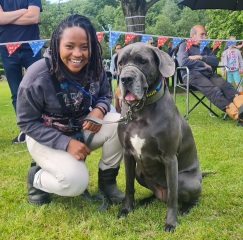
Walk With Mwaki (reactive dog neutrality walk with my Neapolitan Mastiff) — £75
Home Visit / Relationship Reset — £80 (£150 outside my local area)
Virtual Coaching Session — £60
Reactive Dog Group Walks — from £15 to £25
Training Walks — £30 to £40
All 1-to-1 sessions include pre-session intake, the session itself, written notes afterwards, and follow-up message support. There are no hidden extras.
Is a More Expensive Trainer Always Better?
No. But cheaper isn’t always better either.
What to look for instead: Does the trainer have specific experience with your dog’s issue? Do they explain their methods clearly and in a way that makes sense to you? Are they willing to give you a realistic picture of what to expect, rather than promising fast results? Do they seem interested in you and your dog as individuals, not just running through a standard programme? Do they have testimonials or reviews from clients with similar dogs?
Price is a factor — I understand that completely. But the most expensive mistake in dog training is paying a trainer whose methods don’t match your dog’s needs, and having to start over six months later.
Is Dog Training Worth the Cost?
I’m biased, obviously. But I’ll try to answer this honestly.
If your dog’s behaviour is affecting your quality of life — if you’re avoiding walks, if you’re stressed every time you leave the house, if your relationship with your dog has become difficult — then yes, the cost of good training is almost certainly worth it. Not because training is magic, but because the alternative (nothing changing, or getting worse) has its own cost. Emotionally, practically, and sometimes financially if behaviour escalates to the point of a serious incident.
The clients I work with in Harlow and Essex aren’t paying for a quick fix. They’re paying for understanding — a clear picture of what’s happening with their dog, and a practical path forward. That tends to be worth more than the session fee, once it starts to shift things.
How to Find a Good Dog Trainer in the UK
A few things worth checking before you book:
Are they transparent about their methods? A trainer who can’t clearly explain how they work — or who uses vague phrases like “calm and assertive” without specifics — is worth approaching cautiously.
Do they use punishment or aversive tools? Prong collars, e-collars, and alpha rolls are still used by some UK trainers. If this matters to you, ask directly before booking.
Are they insured? Professional liability insurance is important. Don’t be afraid to ask.
Do they have relevant experience? A trainer who mostly works with puppies isn’t automatically equipped to handle complex reactive or aggressive behaviour. Specialist experience matters.
Will they give you a realistic picture? If a trainer promises quick results or guarantees, be wary. Genuine behaviour change takes time.
Based in Harlow, Essex — Working Across Essex, Hertfordshire & North London
If you’re based in Harlow, Enfield, Stevenage, or anywhere across Essex and Hertfordshire and you’re considering training for a reactive or anxious dog, I’d love to have a conversation.
Book a free 10-minute call — no obligation, no sales pitch. Just an honest conversation about your dog and whether I can help.